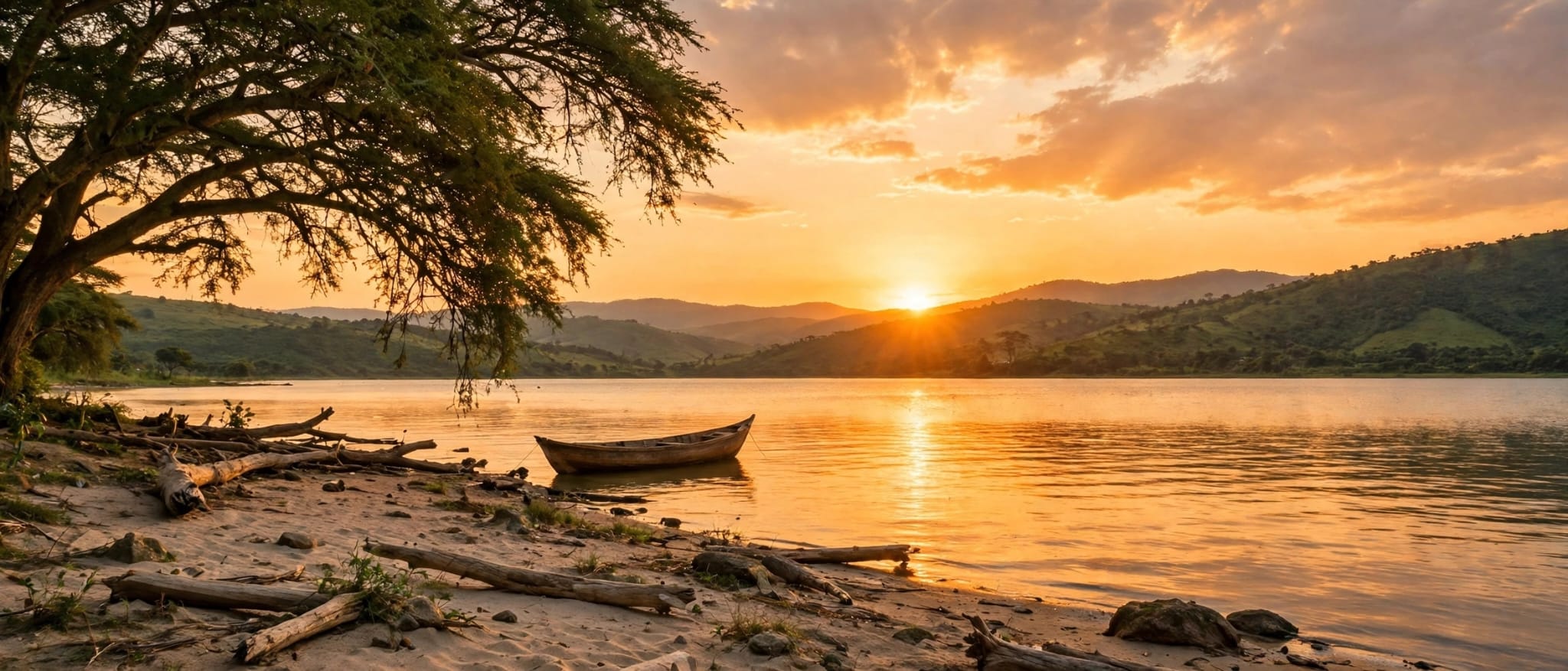
Welcome to the dala — the homestead of a people's memory. Everything here is Homa Bay, and everything here is Luo: the traditions, the language, the proverbs, the clothing, the work of our hands, the unity, the old ways — and the elders, still teaching by the fire. No asks live in this house. Only honor.
This site exists to share the Luo Heritage — its roots, its traditions, its language, its clothing, and above all, its people. It is a celebration of the unity and the love this community has always shared: a culture held together by its elders, its work, and its word.
Here, the heritage of the Luo people of Homa Bay is gathered with honor and opened to the world — so that our children, wherever they may live, will always know where they come from.
Every hut in the homestead has its purpose, and its person.
How our people have always lived: the ceremonies, the seasons, the way a child is named and an elder is honored. The customs of Homa Bay, written down with care — before they are only remembered by a few.
Enter the Ceremonies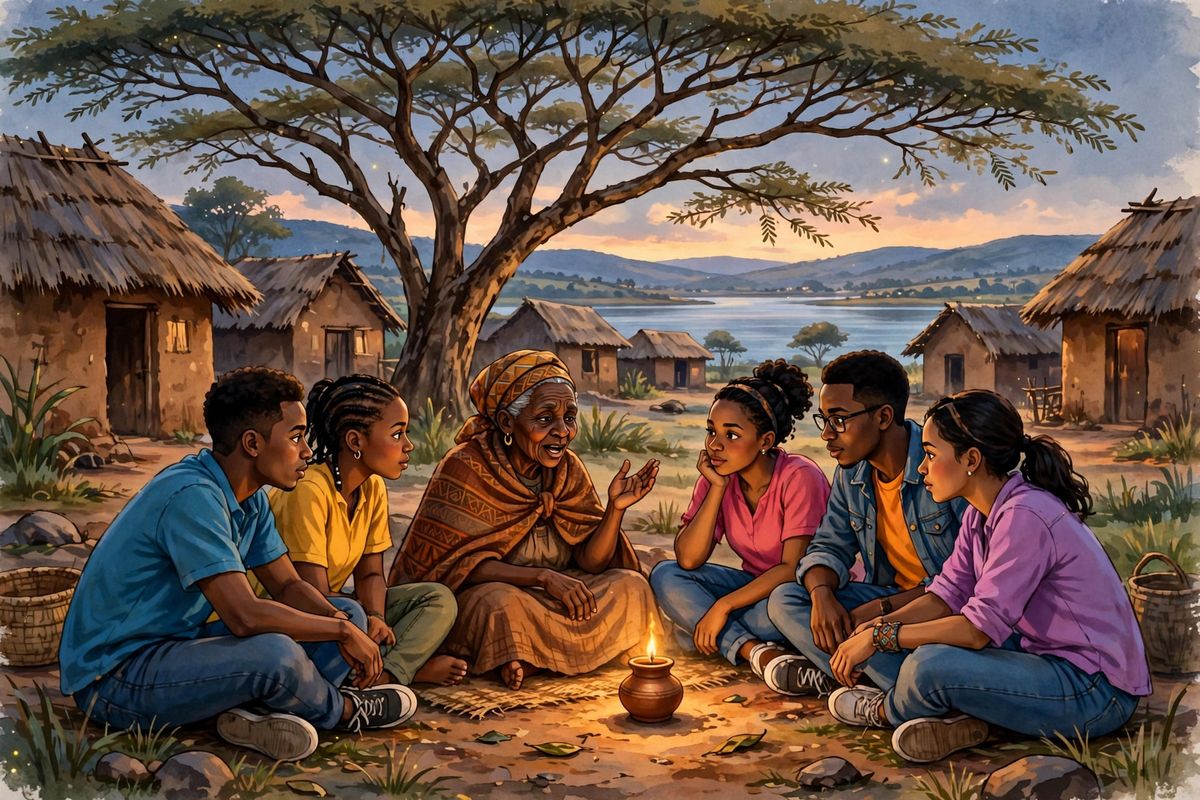
The tongue of home. Begin here: hera — love · riwruok — unity · tiend — roots · dala — the homestead · konyir — the communal work-party · erokamano — thank you. A language lives when its children speak it.
Learn the Language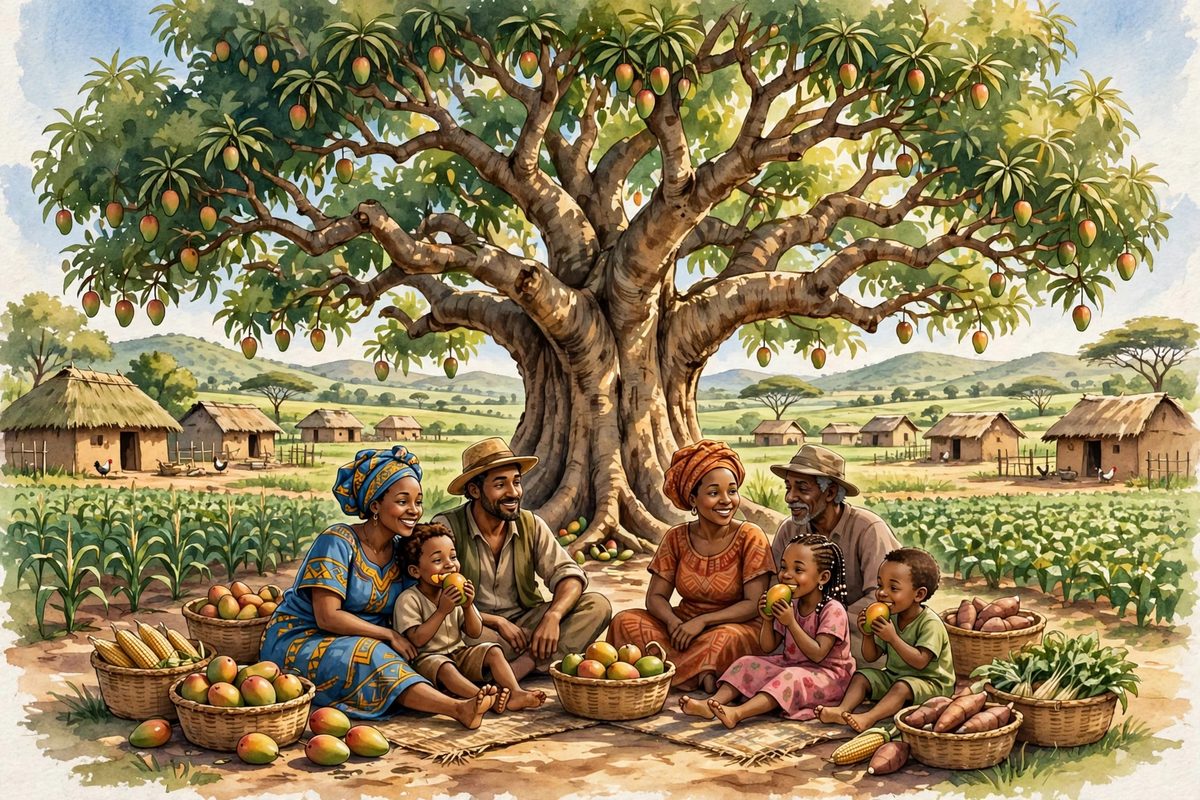
The wisdom of the Luo, carried in short, sharp sayings — ngero — from mouth to ear for generations. Our book holds 99; we are gathering 1,000 before they are lost, every one credited to the elder or neighbour who carried it to us.
Sit With the Proverbs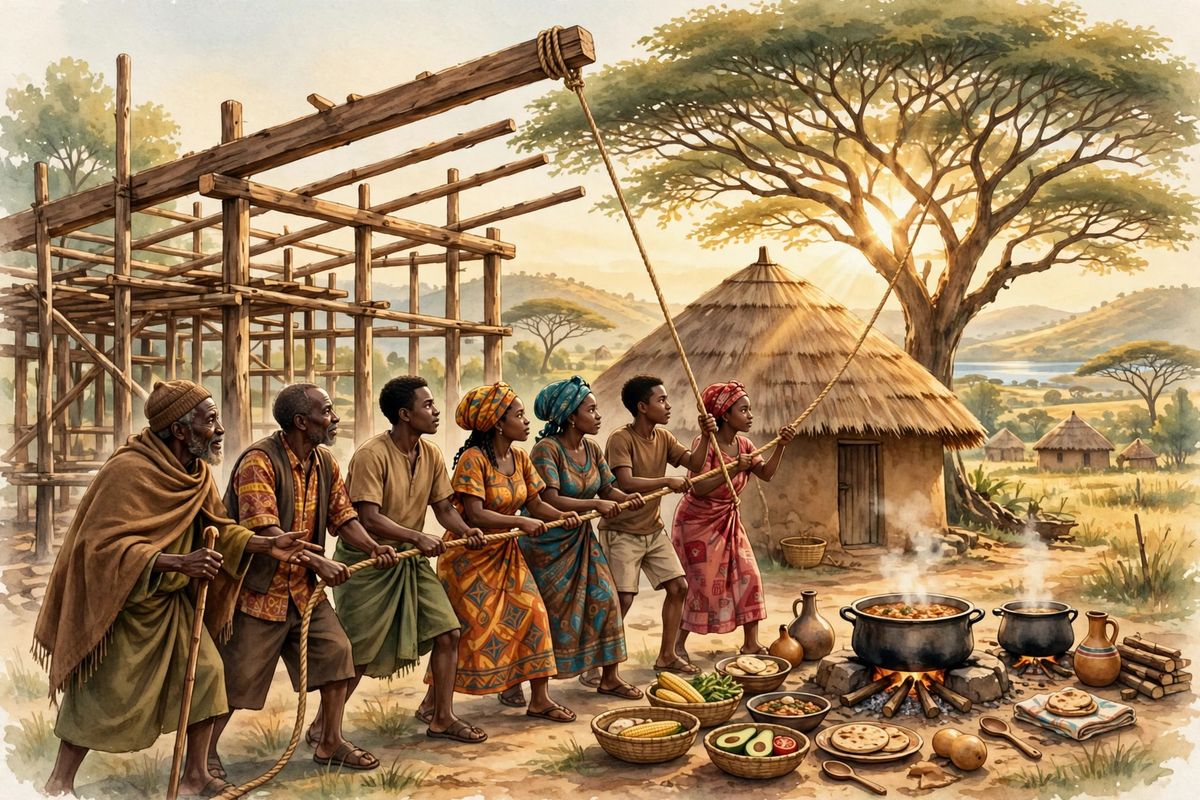
The old way of work: when a neighbour's field or roof needed hands, the village came — konyir, the communal work-party, ending with a shared meal. No one paid, no one begged. Everyone ate. This is the root that harambee grew from.
See the Work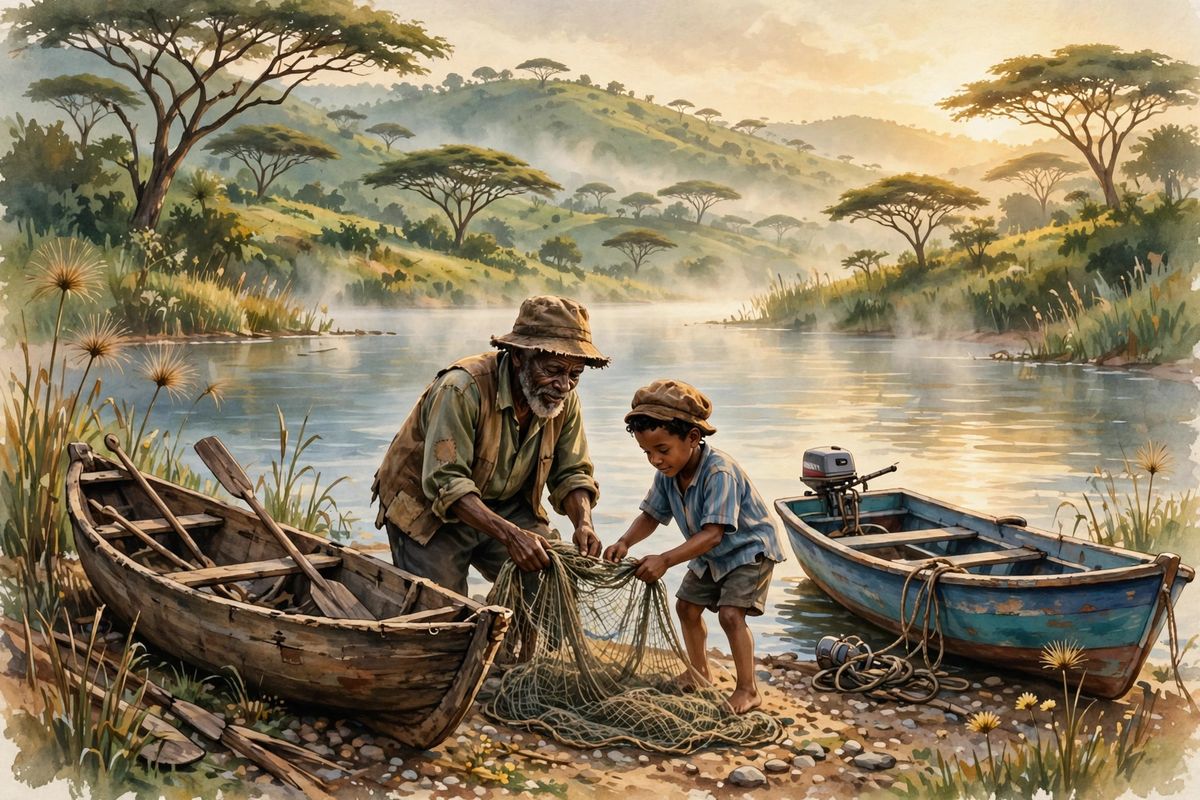
The lake is our mother: fish for the table, water for the home, a road to the world. The fishermen of Homa Bay have read her moods for a thousand years — her winds, her seasons, her gifts.
Meet the Lake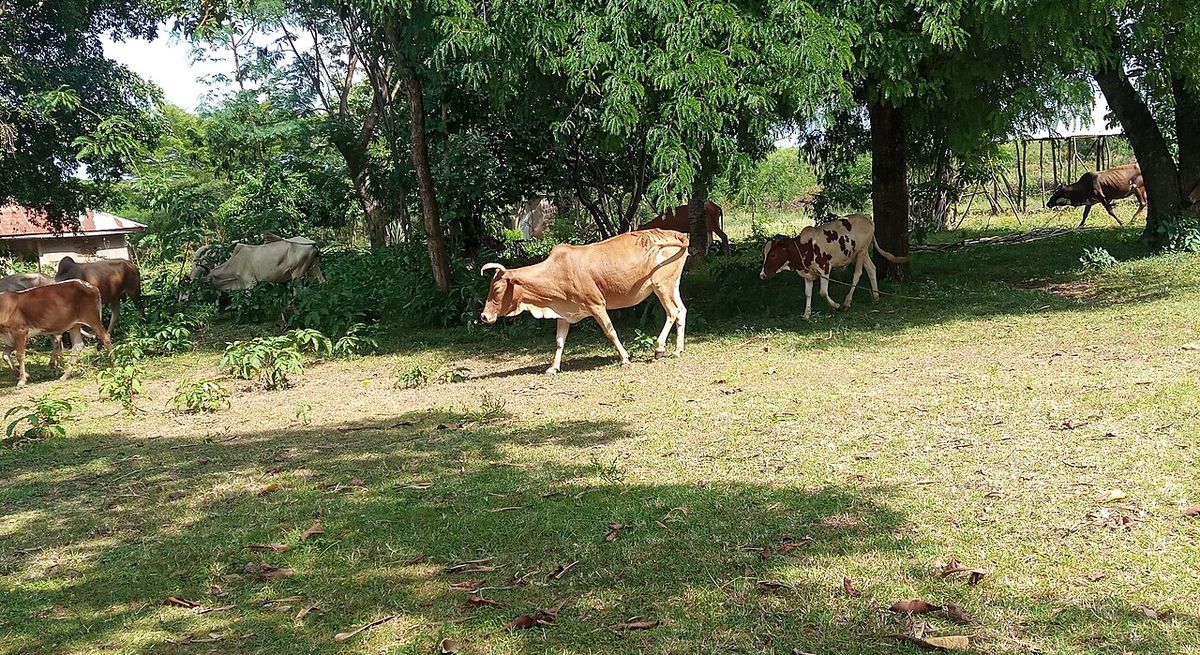
Cattle are not only wealth — they are honor, bridewealth, and the bond between families. The land feeds us when we tend it the old way: together, season by season, hand to hand.
Walk the Dala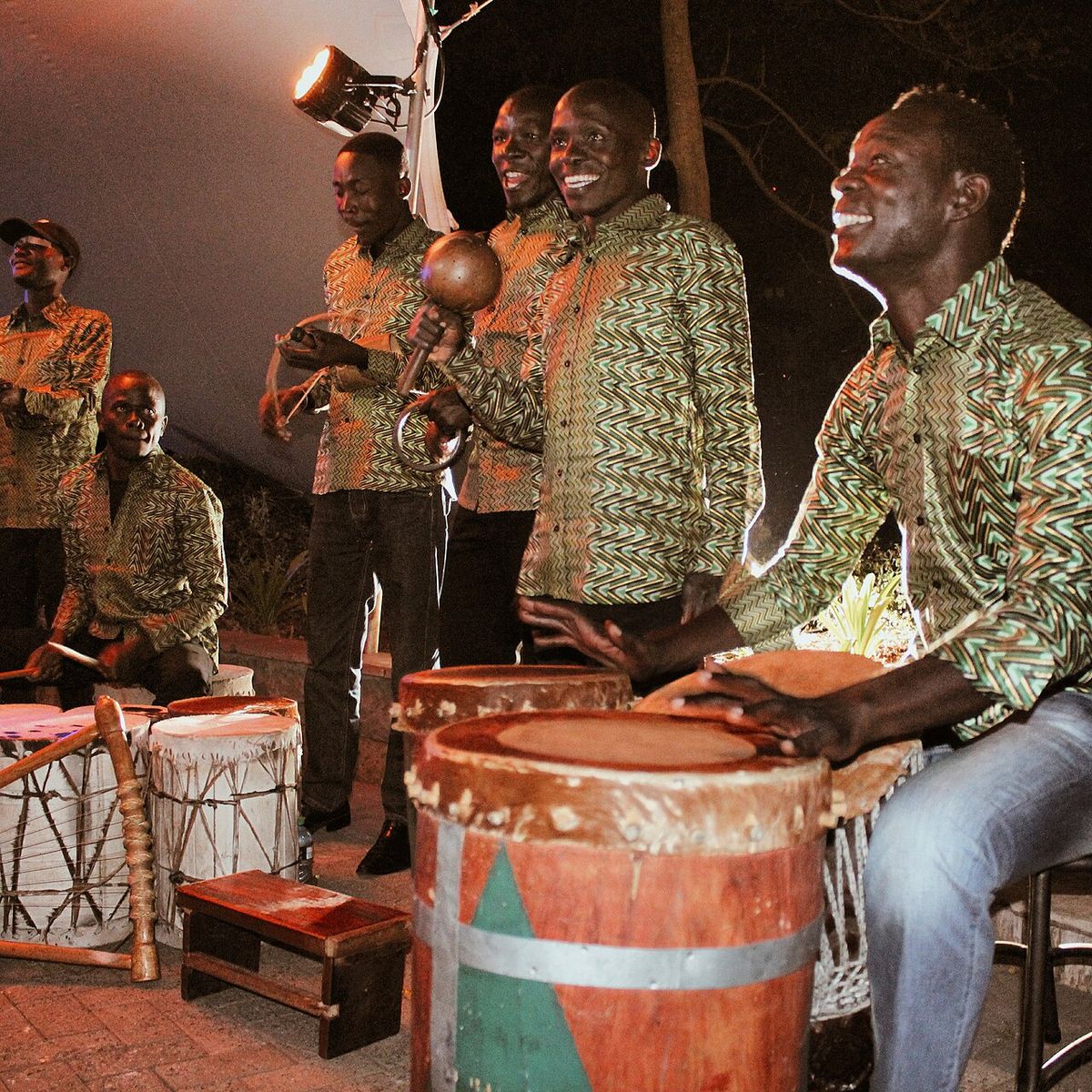
A Luo name is never random — it tells the hour you were born, the weather that morning, the season in the fields. Otieno of the night, Achieng' of the sun, Okoth of the rain. Come and find what your name says.
Find Your Name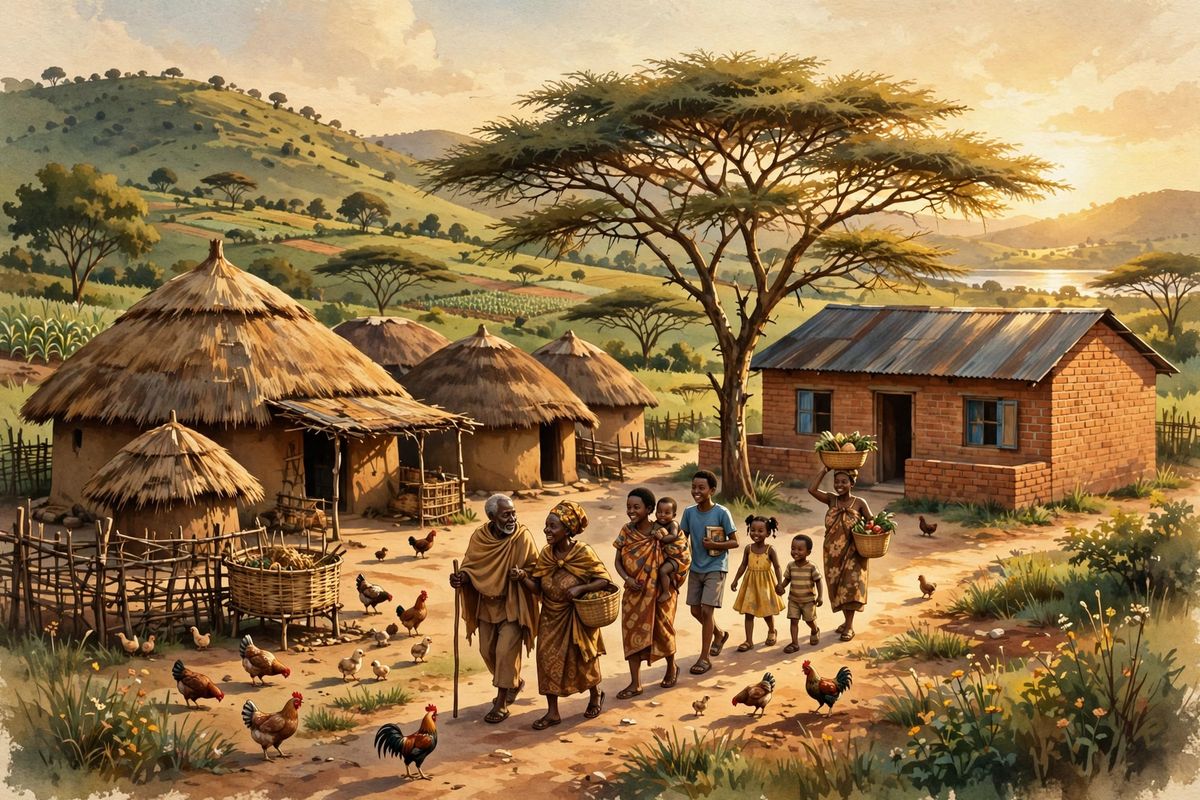
Walk a real homestead, station by station: the houses placed by seniority, the abila at the centre, the fire, the cattle, the shamba — and the graves of home, where the ancestors stay.
Take the Walk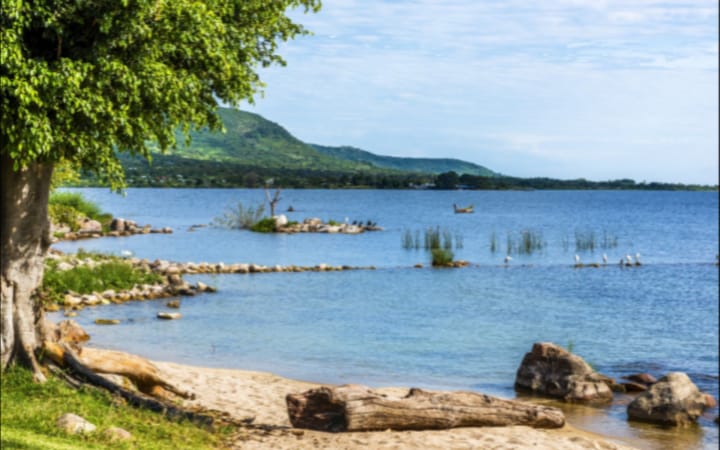
Kuon and rech at the centre of the table, the alot greens by name — osuga, apoth, dek — nyuka, nyoyo, aliya… and the law above every recipe: you share.
Come to the Table
The grandmothers and the grandchildren, hanging in the same room — and a wall waiting for your family's photographs, old and new.
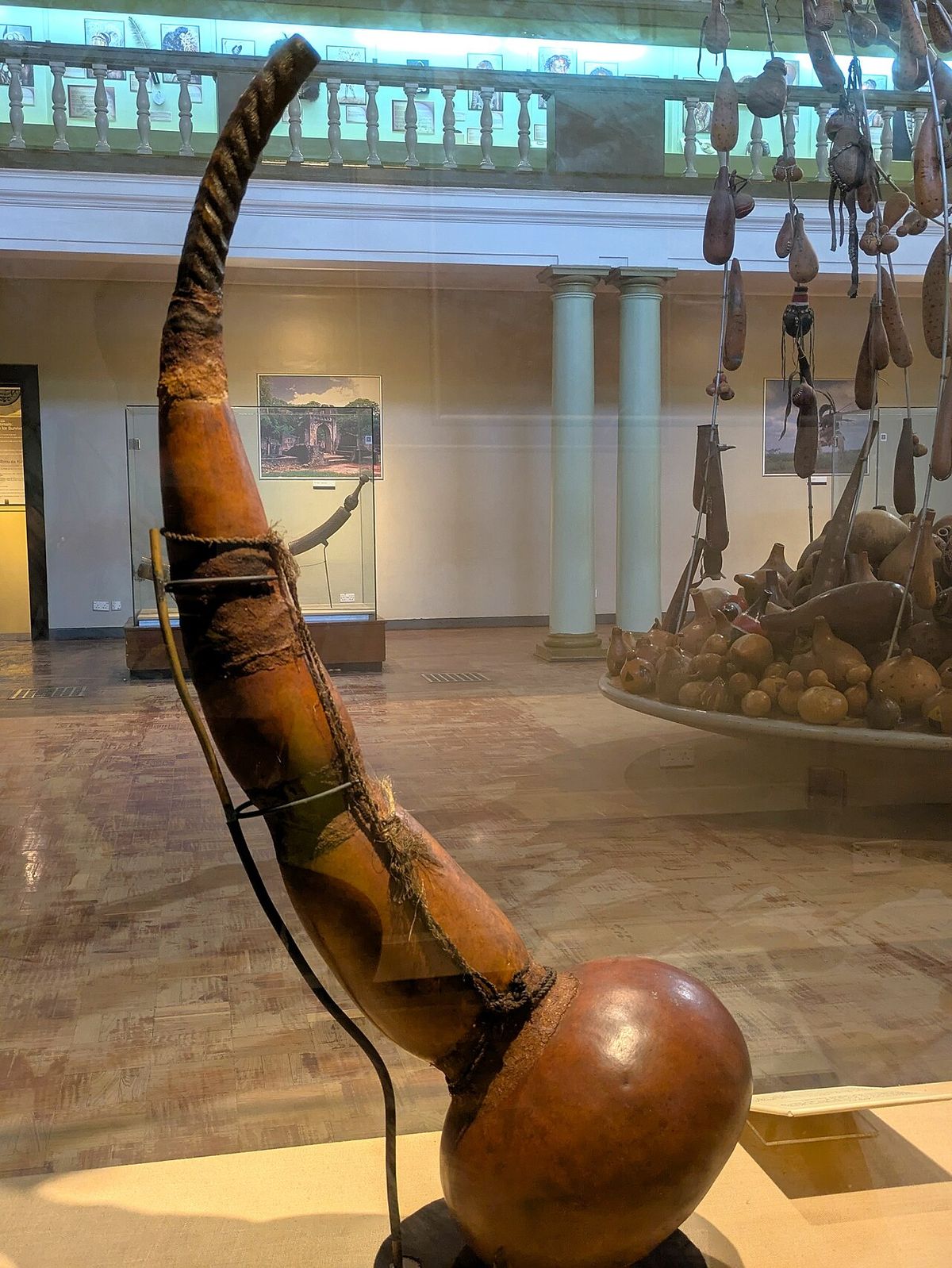
Enter the GalleryThe room is hung, and every piece is named: the pien skins, the minyonge rings, the tik ng'ut beads, the gaagi cowrie shells — and dressed up, the owalo sisal skirt that still flies in the dance today. Come and see what the most picturesque people in Kenya wore.
See the ClothingWhere did the Luo come from? From the banks of the Nile, a thousand years ago — down the long road through Uganda, across the Winam Gulf, to this shore. And here we met the Suba, and two peoples became neighbours, then family. Ramogi's heirs, the waves of the clans, the missions of Kendu Bay — the whole road, written down.
Walk the Road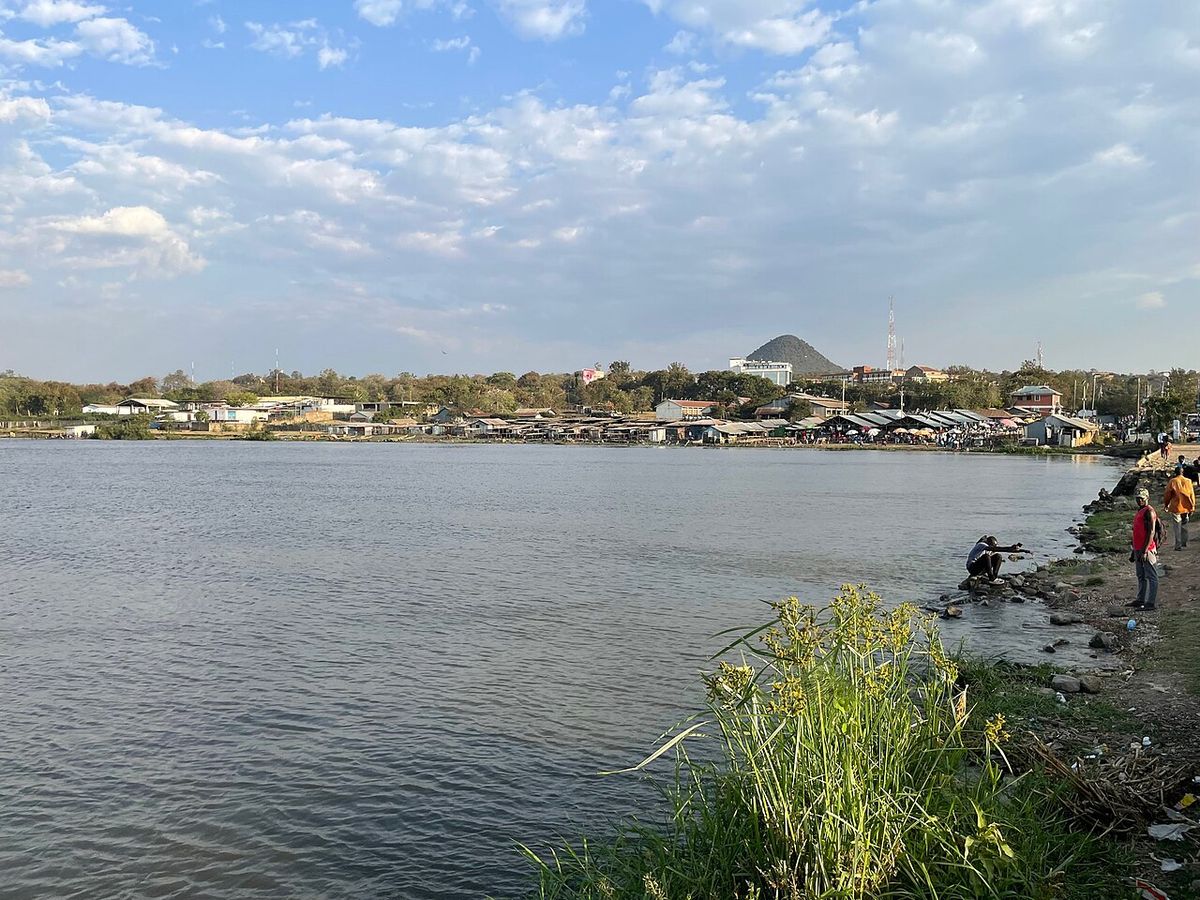
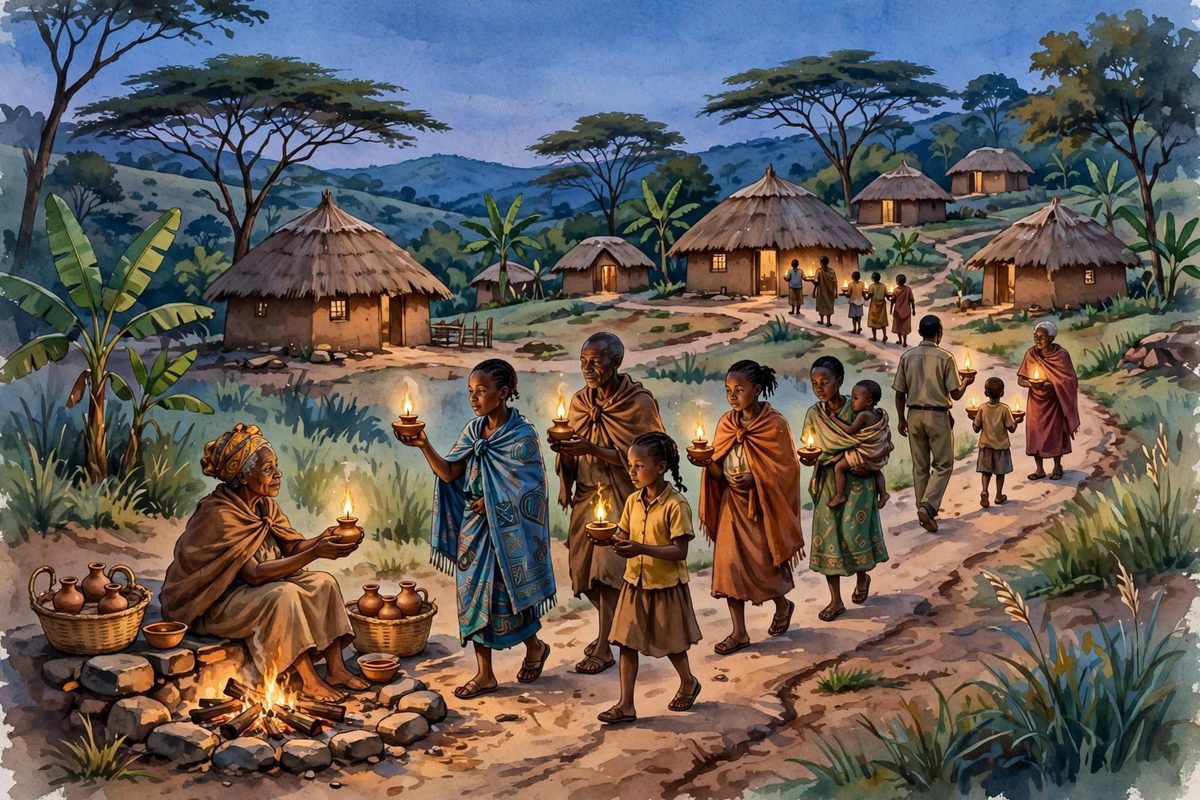
Once a month, when the evening comes, we sit by the fire with one elder — a Root Keeper — and we just listen. Stories, proverbs, the old ways, in their own voice, recorded with permission and kept here with honor. Wisdom is never bought; it is given, and received with both hands.
The grandmothers and the grandchildren, hanging side by side.