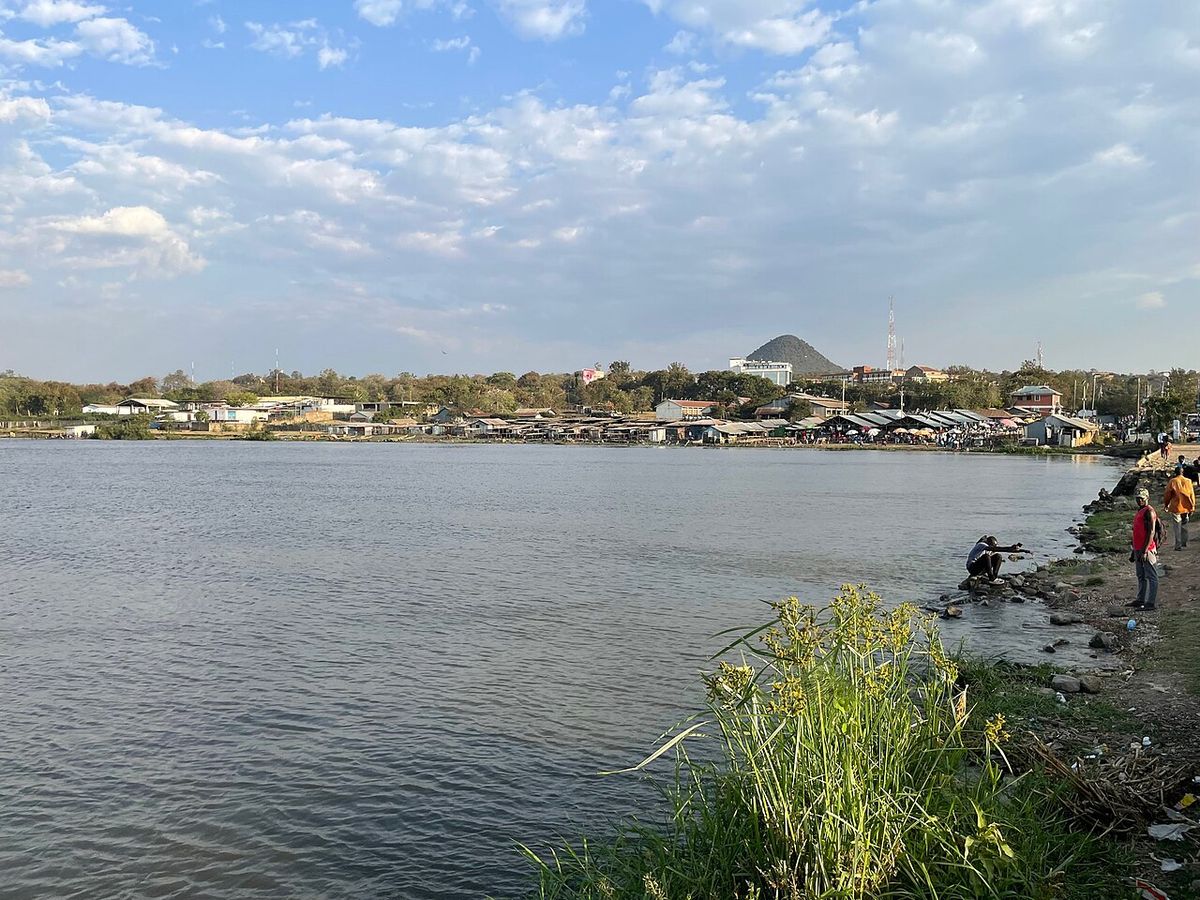
Every people has a road behind them. Ours is a thousand years long — from the banks of the Nile to the shores of this lake. This is the road of the Luo.
The Luo are a Western Nilotic people — "Nilotic" points to the ancestral home in the Nile Valley, in the lands of Bahr-el-Ghazal and Eastern Equatoria, in what is now South Sudan. We call ourselves Joluo — the people of Luo — and our language Dholuo. Our wider family still stretches from South Sudan and Ethiopia through Uganda into western Kenya and northern Tanzania.
From the beginning we were a people of water and cattle: herding on the plains, fishing the rivers, growing seed crops along the banks — the river-lake Nilotes, shaped by life along the great river.
There was no single journey, and no single generation made it. Over centuries — from at least around 1,000 years ago into the early 1900s — Luo families drifted south in slow waves, through Uganda and down to the Lake Victoria basin, settling, grazing, marrying, and moving on. Some of our kin went other ways: the Shilluk built a kingdom up the White Nile, and Luo princes founded a dynasty in Bunyoro. The Luo who reached Kenya — the Southern Luo — came mainly through Acholi, Padhola and Alur country in Uganda, which is why our language still embraces theirs like close cousins.
The historians, following the genealogies our elders kept, count four great waves into the land that became Nyanza:
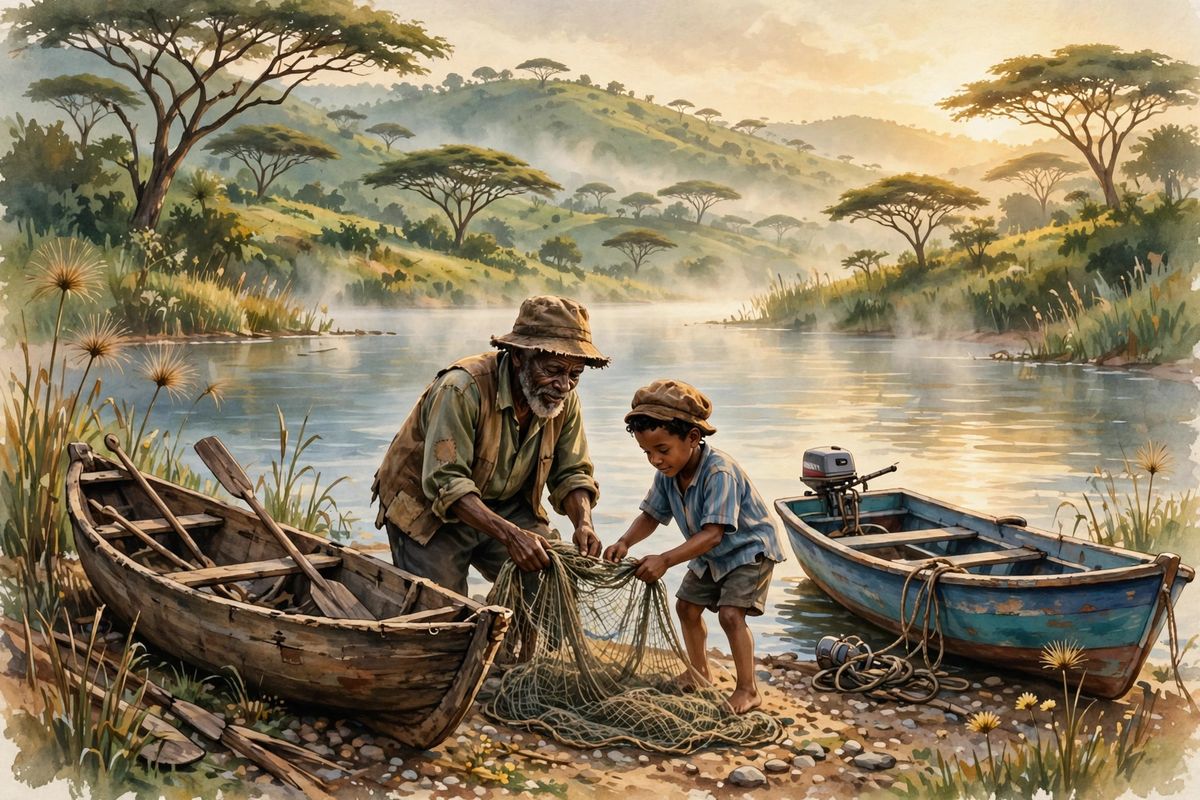
Homa Bay's story is not one people arriving at an empty shore. It is a meeting. The Suba — Abasuba — a Bantu people, crossed the lake from the Buganda and Busoga kingdoms in the 1600s and 1700s and settled Rusinga Island, Mfangano Island, Mbita and Gwassi, where they became renowned fishermen, canoe-builders and rainmakers. Older still, the rock paintings of Mfangano remember hunter-gatherers who were here before either people came.
As Luo clans spread around the Suba, the two peoples traded, sometimes fought, and — household by household — married and blended. Between about 1850 and 1900 most Suba took up Dholuo and many Luo customs, while keeping their own clan identities and island traditions alive. Luo mothers raised Suba children in Dholuo; the language of the lake shore became one. It is why Homa Bay's heritage is doubly rich — and why the Suba story is honored in this house alongside our own.
On the mainland, Luo life organised itself into clans under a chief, the ruoth, with a Council of Elders headed by the Ker. The clan names still map Homa Bay County today — Karachuonyo, Kasipul, Kabondo, Kochia, Kanyada, Gem and more — and at the centre of every clan stood the dala, the homestead, laid out so that every house showed its place in the family.
In 1906, Seventh-day Adventist missionaries opened South Nyanza's first mission at Gendia Hill, Kendu Bay; stations followed at Wire Hill and Rusinga, the first Luo Adventist baptisms came in 1911, and Catholic and Anglican missions followed. Today the great majority of Luo are Christians, and church life is woven deep into the weekly rhythm of Homa Bay — the newest layer of a very old story, still being written by the same people, in the same homeland, beside the same lake.