1. The House That Rose in Three Days
Konyir — the work party — and the debt of honor that paid for everything.
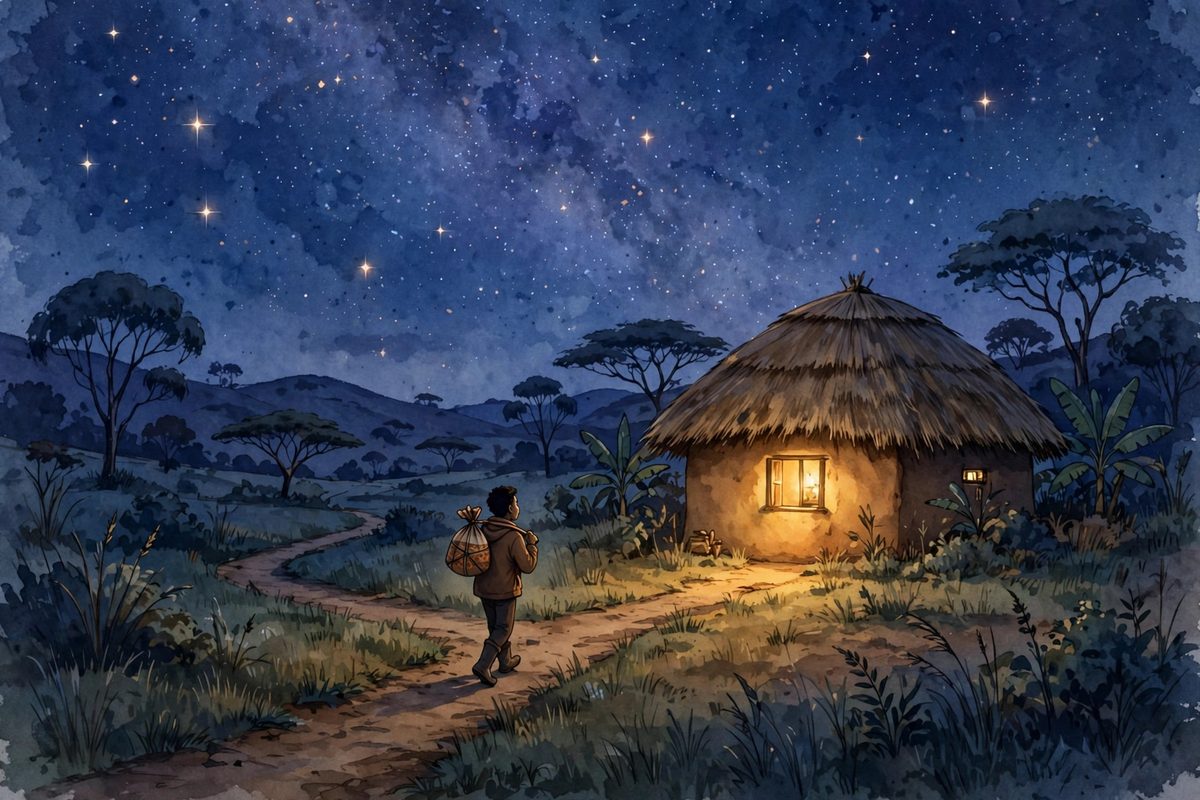
Ochieng was a young man with new land, a wife, and a baby on the way. He was strong, and he was proud, and for one whole month he worked alone. He cut poles alone. He dug holes alone. By the end of the month he had two corners of a house standing, a bad back, and a field laughing at him.
His grandfather watched him for a long time before he spoke. “You are building like a stranger,” the old man said. “In this village, a man does not build his house. The village builds it. Announce it.”
So the word went out, the way the word always went out: by mouth, by path, by neighbor telling neighbor.
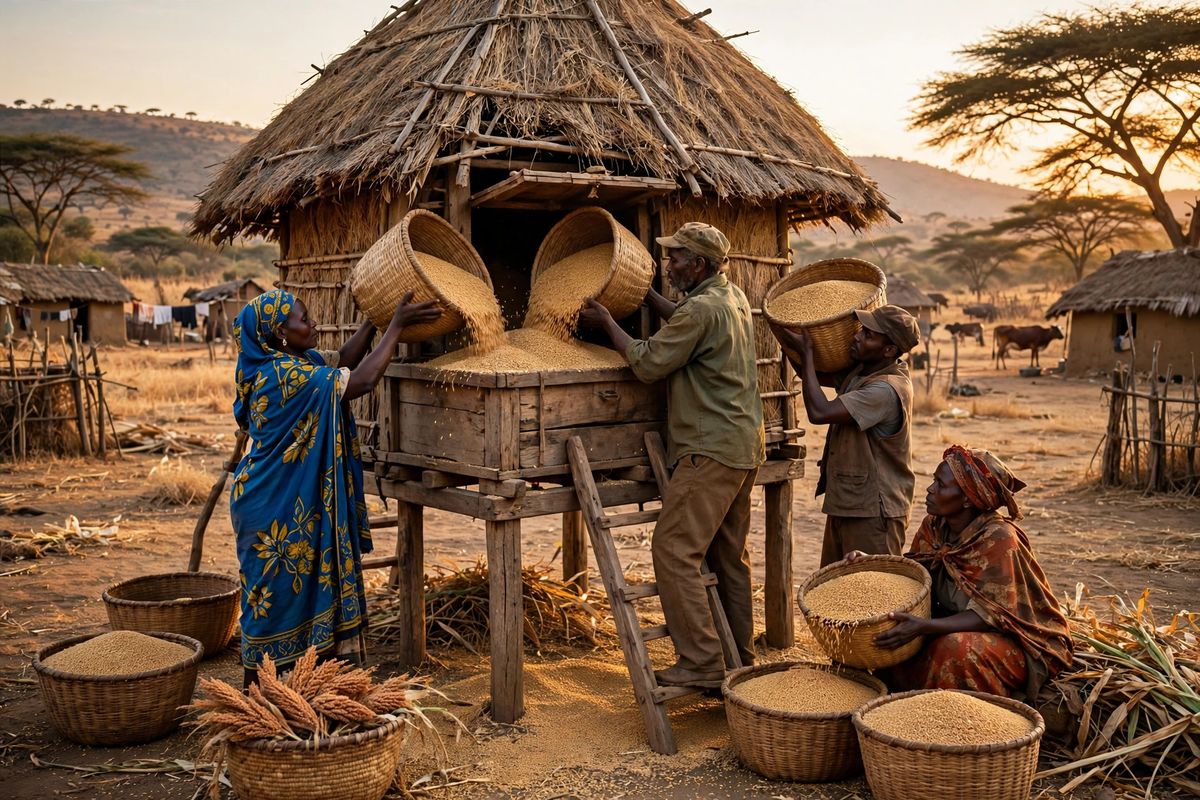
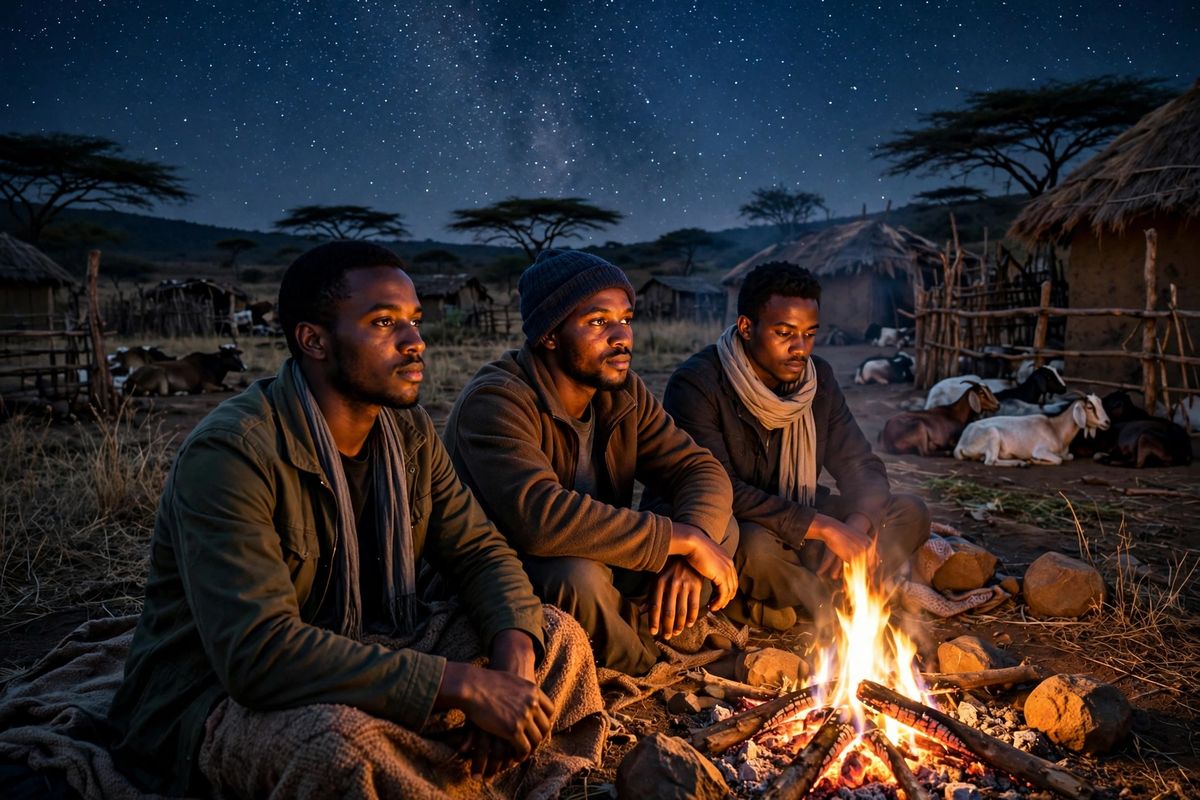
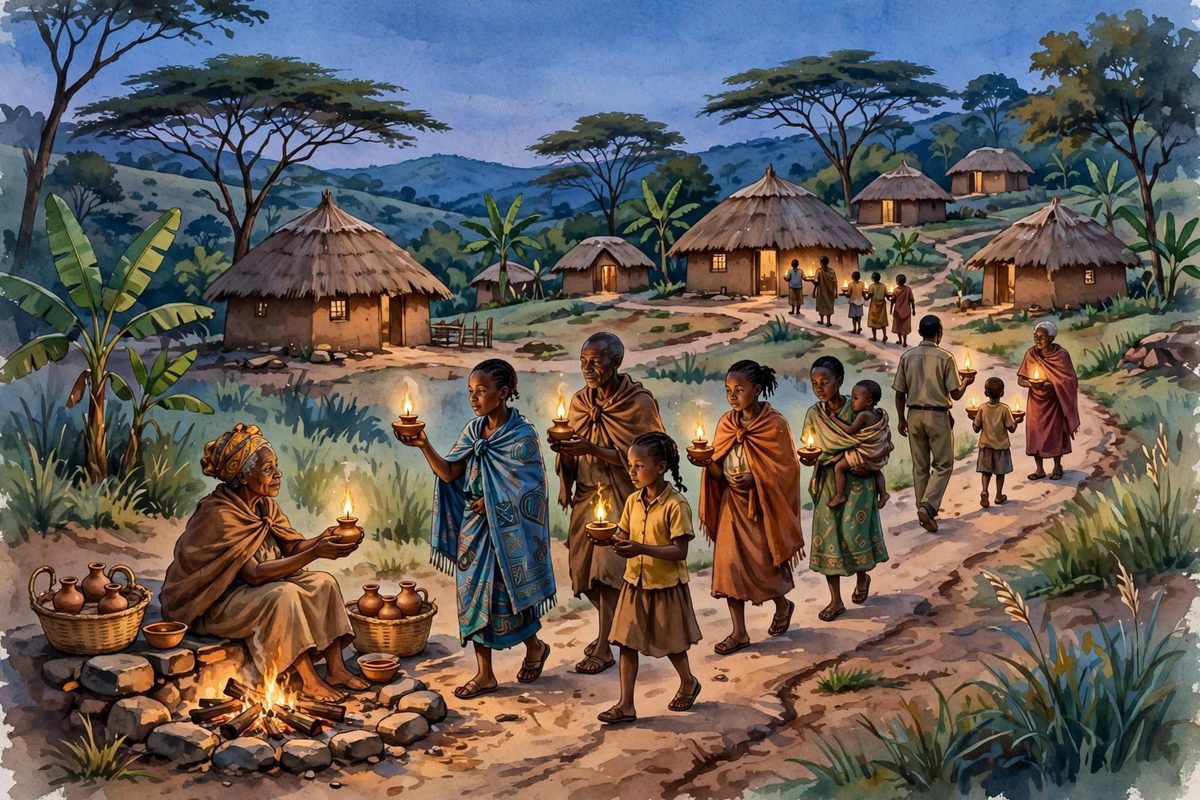
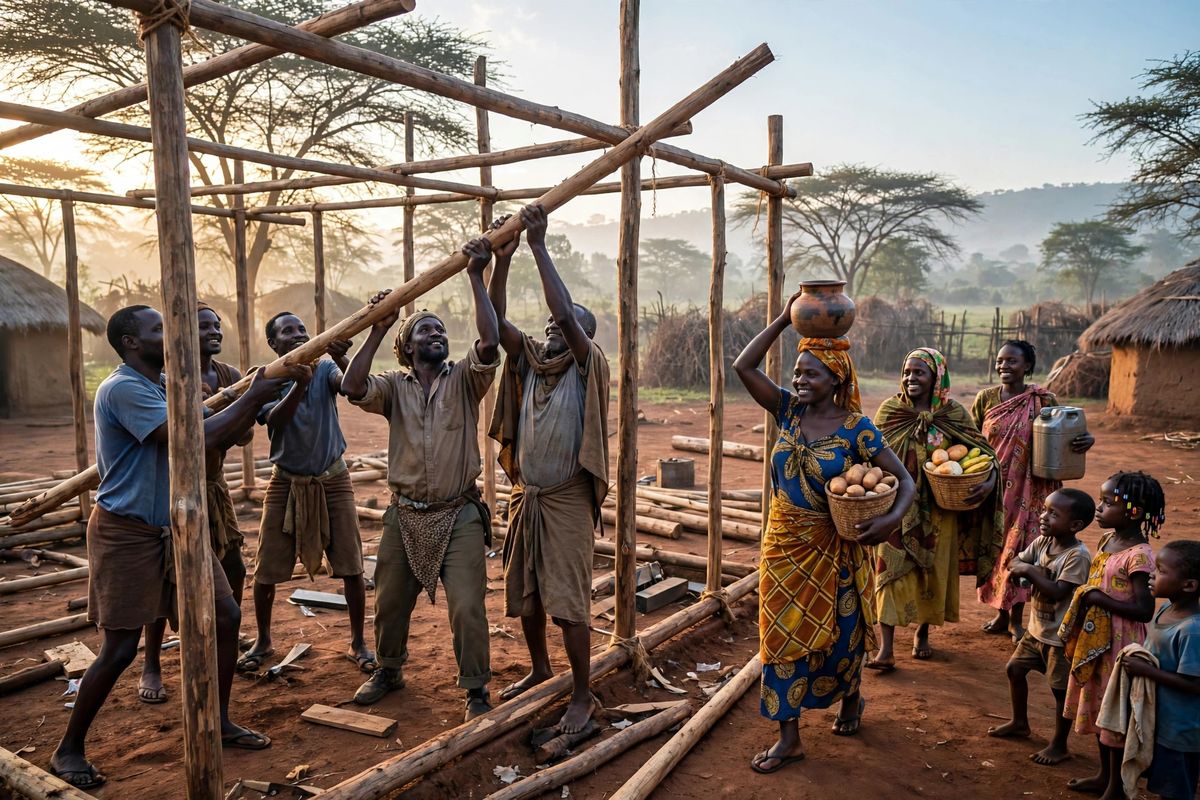
They came at dawn. Thirty men, and behind them the women with firewood, water, and the great pots. By the time the sun stood straight up, the frame of the house stood straight up too. The women cooked kuon and porridge for everyone, and the children carried water and sang the workers’ songs they were not yet old enough to work to. On the second day the walls rose. On the third day the roof went on, and that night Ochieng’s family slept under it, and the whole village feasted in the new house until the fire burned low.
Then Ochieng did what a grateful man does. He took out his money and tried to pay the lead elder.
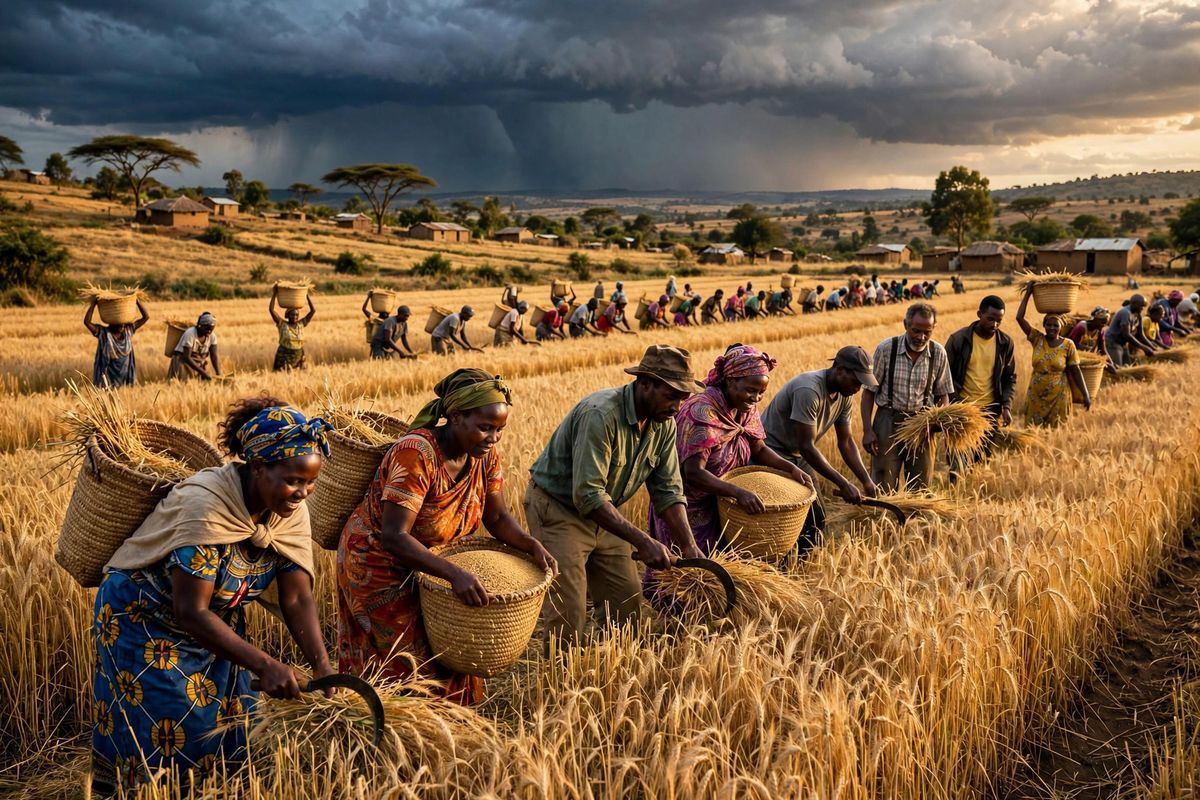
The old man looked at the money the way a man looks at a stone in his food. “Put that away,” he said. “You will pay us. When Onyango’s son builds, your hands will be on his poles before the sun is up. When the widow’s fence falls, you will already be mending it before she asks. When the harvest is heavy at your brother’s shamba, your back will be in his field. That is the price. You will pay it all your life — and so will we. That is how nobody here is ever alone with a heavy thing.”
The house stood for forty years. But the house was never the real building.
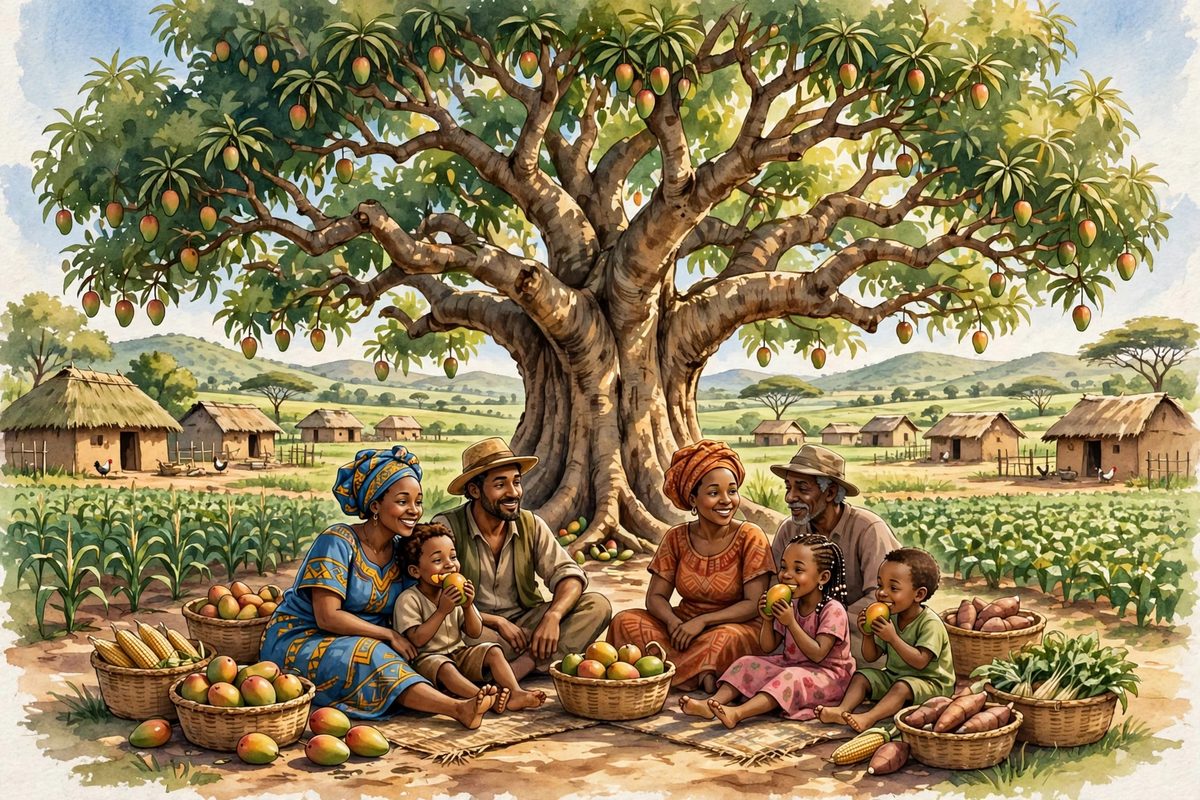
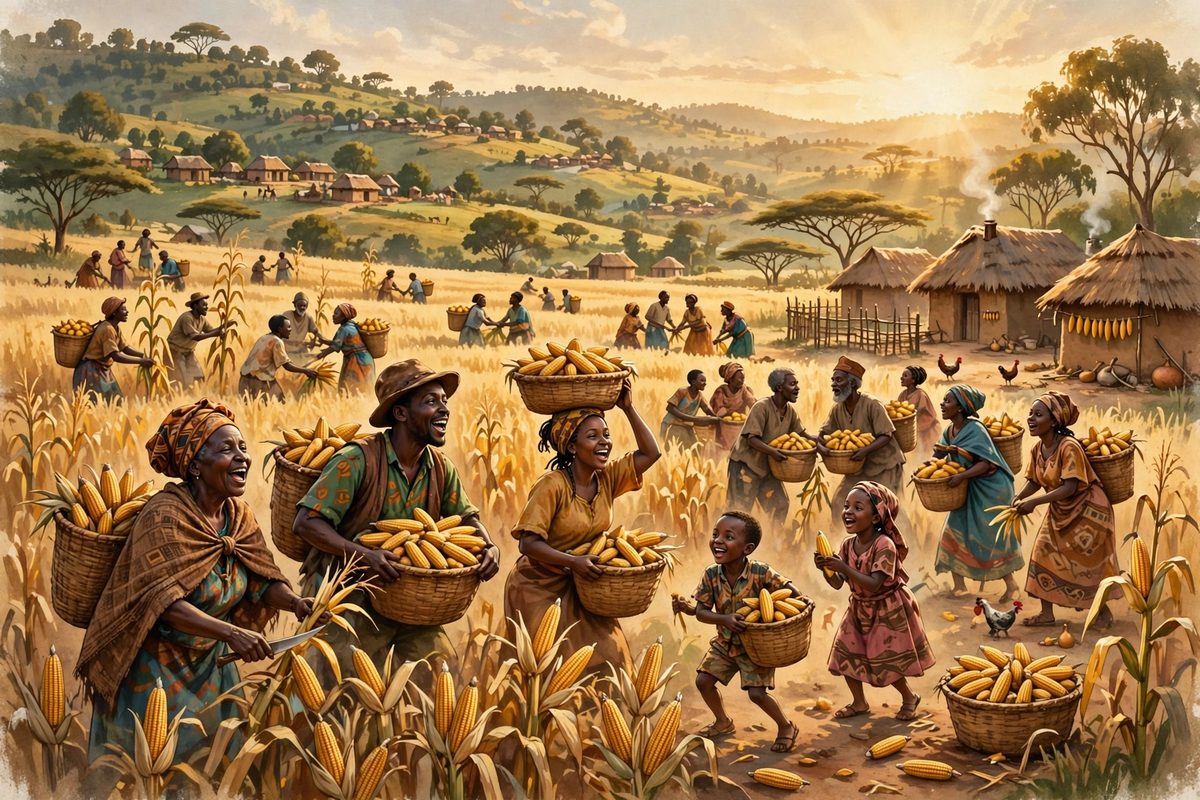
The real building was a people who owed each other their hands — and paid gladly. Nobody in that village was rich in money. And nobody in that village was poor in help.
That village is still in us. It is time to build like it again.