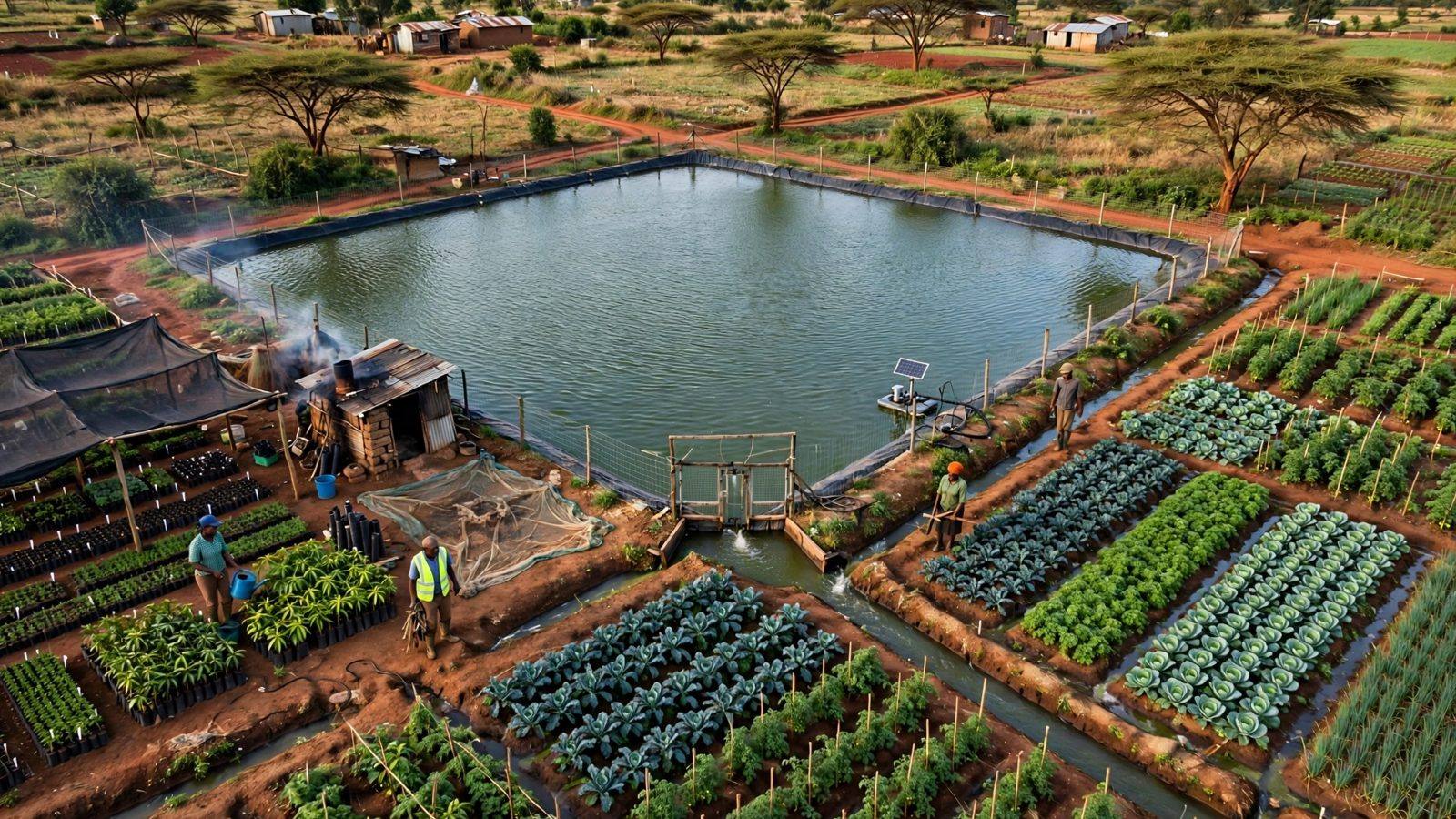
This page is our tomorrow, shown to you today — honestly, and in the open. Next after the chickens comes the goat family — breeding stock, meat, milk, goat milk soap and bagged manure, all on one herd. After the goats, the fish family: a half-acre fish pond at Nyangweso and the businesses that grow around it — fresh table fish, our own fingerlings, smoked fish, fish feed from our mill, a tree seedling nursery and irrigated crops, all watered by the same pond.
None of it is built yet — and that is the point of this page. We show you the plan before the building, because a community that can see the plan can hold us to it.
How we work, in what order, and why you can trust the order.
These future plans begin only when our chicken businesses are up, running and producing. Electricity first. Then the coop, the chick pen, the hatchery and the mill. Then eggs, chicks and feed selling every week — and records, receipts and a budget that prove all of it on paper.
Only then — when the community around us is already benefiting, with food on tables, girls in school and honest work close to home — do we take the next step. One business at a time, fully costed, in the open.
We are a community based organization, and we are accountable to our community. We do not deal in announcements we cannot back up. Our aim is tangible change our neighbors can point to — and this page will be updated as each plan moves from paper to ground, so anyone can follow the progress and check our word against our work.
Electricity connected; coop expansion, chick pen and hatchery built; the mill installed. (January 2027)
The chicken businesses running — flock grown to 225 layers, eggs, chicks, feed and services sold every week.
Records in order, profit real, banking proper — and the community visibly benefiting, documented as we go.
These future plans — the goat family first, then the fish family — built one at a time, each fully costed before a single shovel lifts.
Next after the chicken businesses comes the goat family — planned and priced on paper now, and built once the chickens are up, running and proven. The fish family follows, and continues on paper meanwhile.
kids and proven breeding animals for neighboring families starting herds of their own
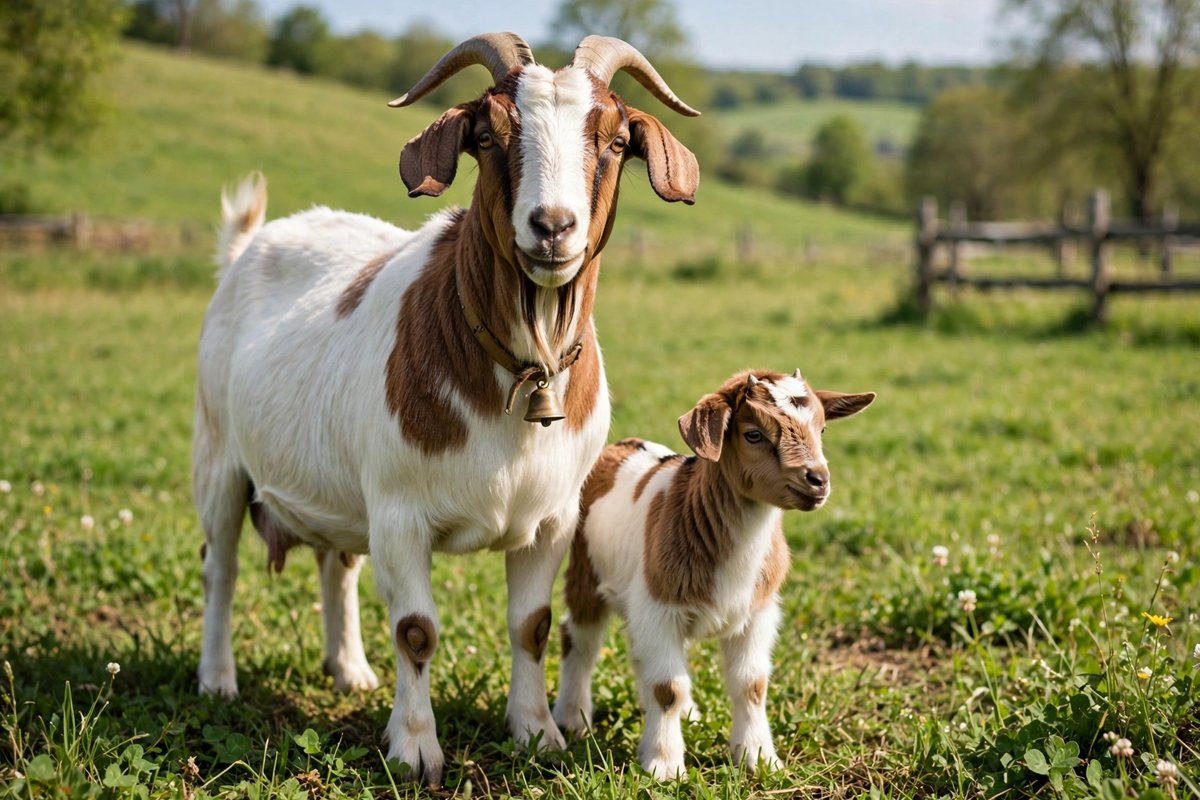
goats for local sale, with prices that rise in the celebration seasons
fresh goat milk by the liter, sold the same day it is drawn
the value-add: milk turned into bars that keep for months, travel to town shops, and carry Empower's name
for crops, our own and our neighbors'
Goats ask little — they graze and browse, with healthy grain on top — and their profit is slower and steadier: wealth that grows on the hoof. The evaluation is being completed from real Homa Bay prices, the same discipline as the chickens and the fish: no guessed numbers, ever.
Each one feeds the next: the pond feeds the fish, the fish feed the families, the water feeds the crops and trees — and all of them feed the community.
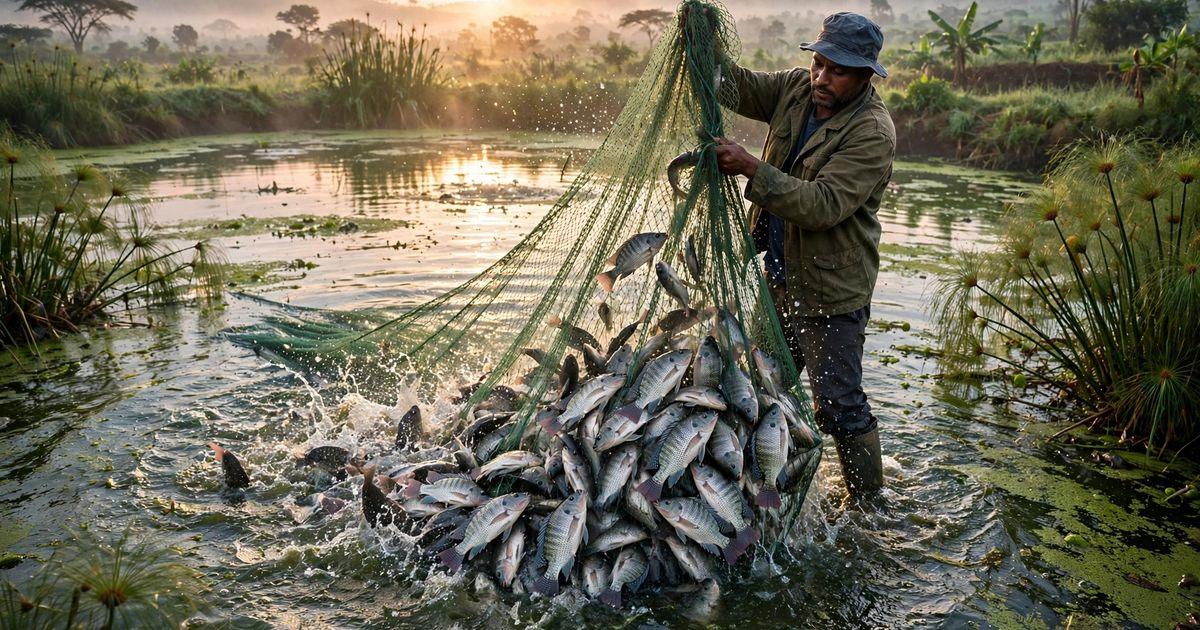
Tilapia as our main fish, with catfish alongside, raised in a half-acre pond lined with HDPE so the water is held all year — dry season included. Before any sale, harvested fish rest in a clean-water holding tank for several days, which clears the muddy taste pond fish can carry. What reaches your table is fresh, clean-tasting fish, raised a short walk from home.
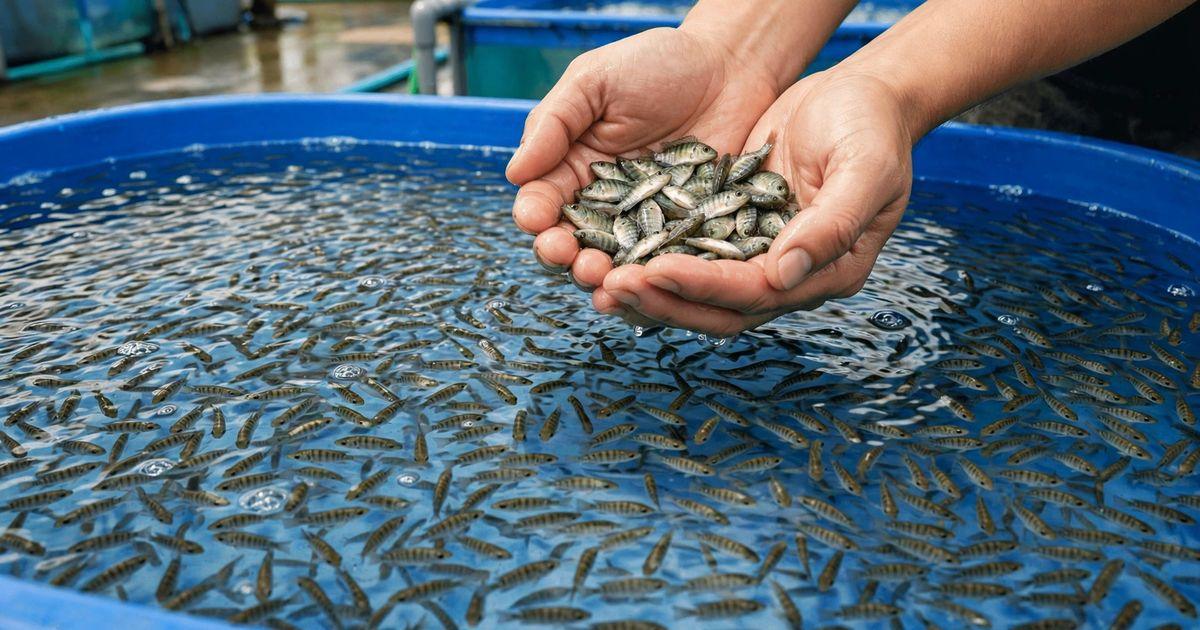
From our own broodstock we will produce tilapia and catfish fingerlings — the young fish every pond farmer must buy before anything can grow. Producing our own first cuts our own stocking cost; selling the surplus turns our pond into the region's supplier.
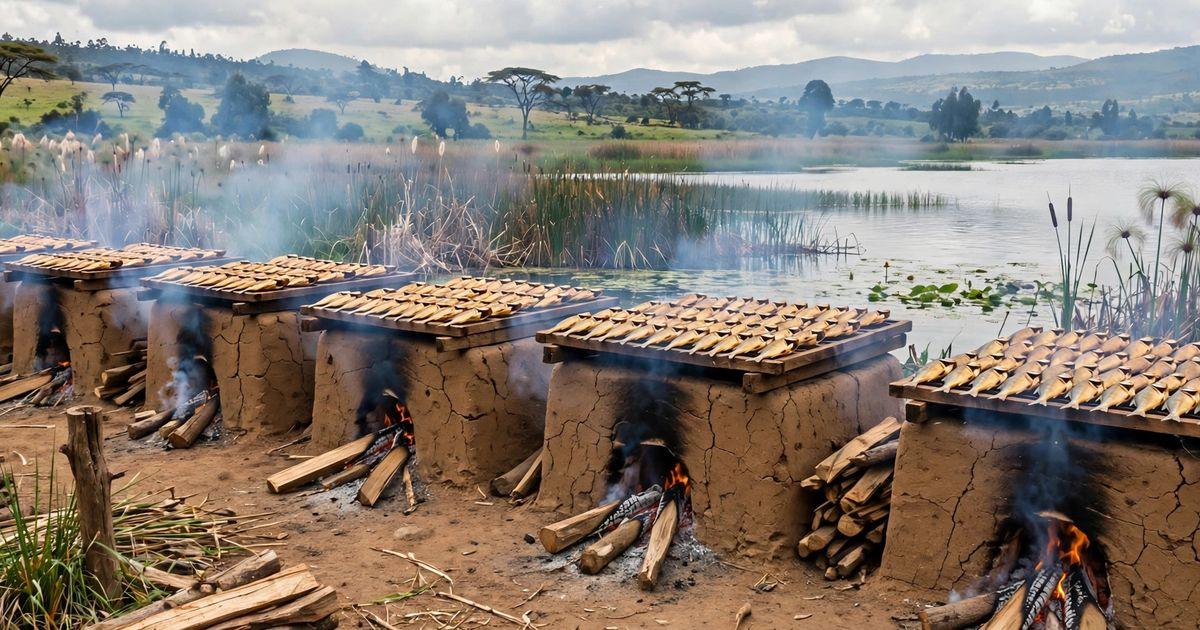
A chorkor smoking kiln turns part of every harvest into smoked fish — the form that keeps, travels and earns more. Smoked fish reaches market days and inland towns, like Kisii, that fresh fish cannot reach in time, and nothing is wasted when the catch is big.
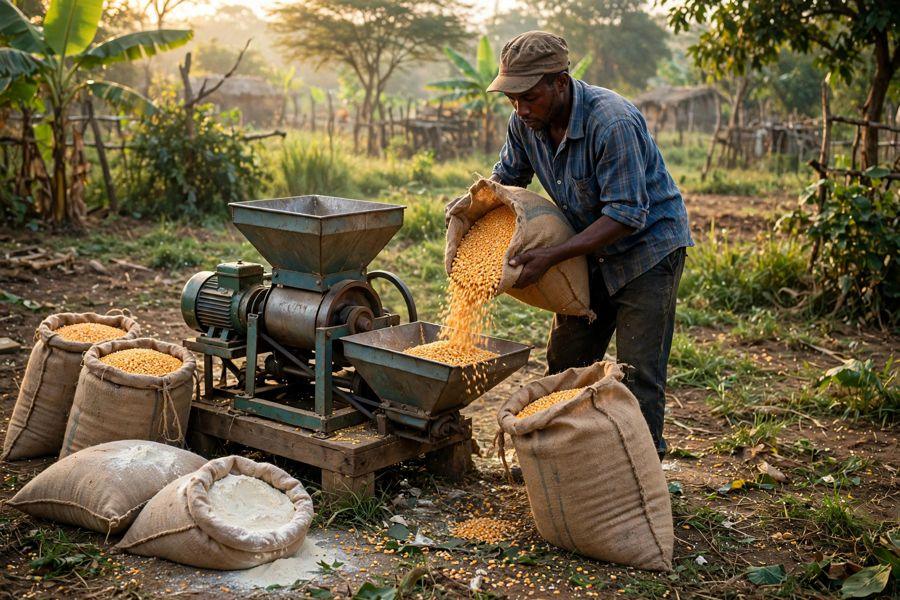
The same mill that makes our chicken feed will mix fish feed too — one machine, two businesses, no second mill to buy. Feed is the biggest cost in fish farming, just as it is with chickens; milling our own is how our pond stays profitable, and bagged fish feed becomes another product for local farmers.
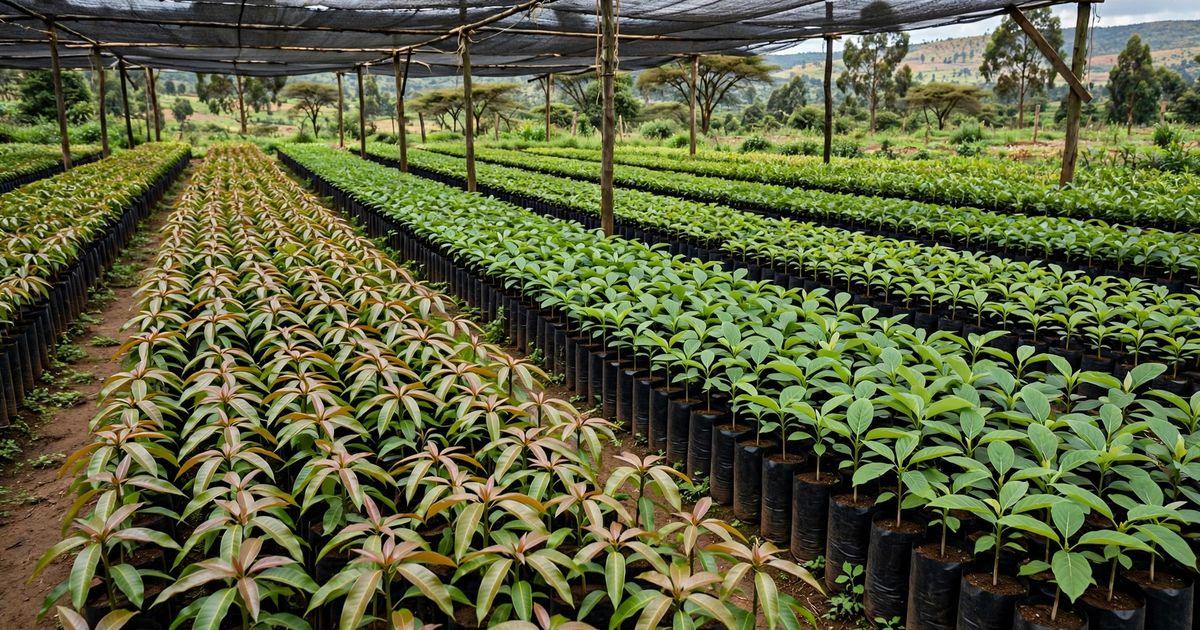
Beside the pond, watered by it, a shade-net nursery raising mango, avocado, citrus and pawpaw seedlings, with moringa and grevillea for fodder, shade and timber. Pond water flows through a diverter at the outlet into the nursery's beds — nothing wasted, everything working twice.
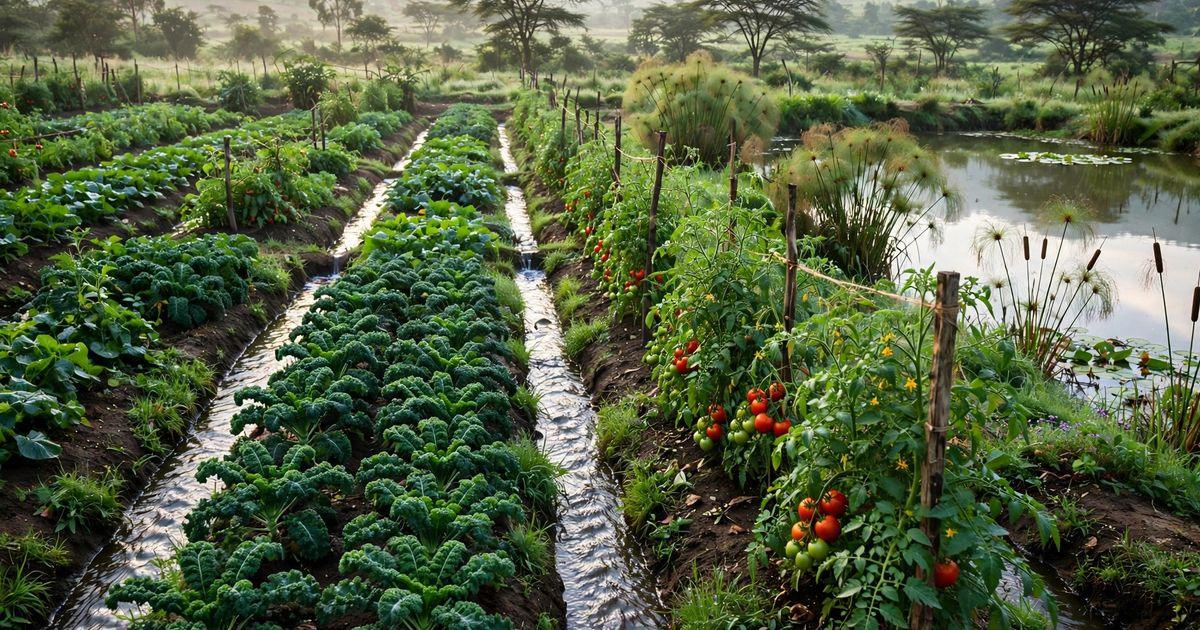
The pond's overflow and diverter send water into ground ditches that irrigate vegetable plots beside the pond — kale, tomatoes, onions and more, growing in the dry season when vegetables are scarce and expensive. The fish always drink first; the crops take what the pond can spare.
So that nobody has to guess — including us.
Every business on this page is being priced right now, quote by quote, from real sellers in Homa Bay — the breeding stock, the excavator, the liner, the fingerlings, the kiln. A full written evaluation follows the prices home.
Today, the ground holds what comes first: our flock of over 100 chickens, and from January 2027 the power, the expanded coop, the hatchery and the mill. The pond site is measured in our plans — and untouched until its turn.
When each future business opens, it will open the same way our chicken businesses do: costed in writing, recorded in our books, and reported to this community. Watch this page — it changes as the work does.
